Personal style is not a costume you discover in one shopping trip. It is the pattern that appears when your clothes, your body, and your ordinary calendar begin to agree with one another. That is why a useful personal style guide starts with the outfits you repeat, not with a mood board full of garments you would never wear to work, on public transport, or while carrying groceries.
Look for the choices you repeat without thinking
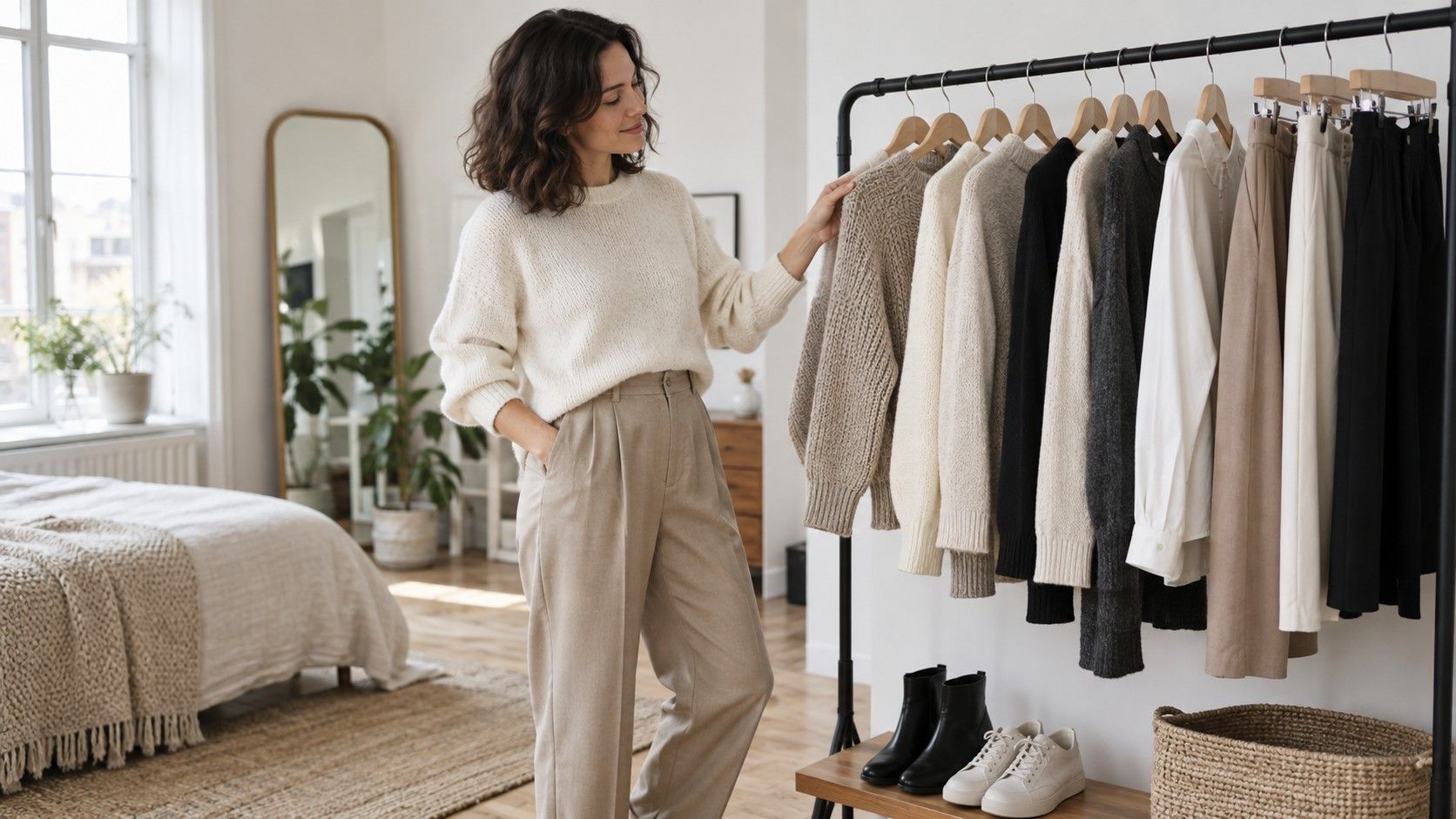
Begin a wardrobe audit with evidence. For two weeks, take a quick mirror photo before leaving home, including the outfits that feel unremarkable. Notice what returns: straight-leg trousers, open collars, small earrings, dark shoes, soft knits, defined waists, or roomy layers. Repetition is not a lack of imagination. It usually points to a shape, fabric, or level of polish that makes you feel physically at ease.
Separate aspiration from the life you actually lead
Also record the outfits that looked good but stayed unworn. Perhaps a blazer photographs well but makes you feel restricted at a desk. Perhaps wide trousers are comfortable but need a shorter top than you own. The difference between admired and used clothes is where many people get stuck when they try to discover their clothing style. A style that survives a full day has more value than one perfect fitting-room image.
Name the shapes, fabrics, and details you prefer
Style references are useful, but they need a reality check. A person whose saved images show long coats, heeled boots, and small handbags may spend most weekdays walking, driving, working from home, or dealing with rain. The reference is still telling you something: perhaps you like clean lines, dark contrast, or a little structure. Translate that preference into pieces that fit your routine rather than copying the entire scene.
Write down the places where you dress most often: work, school runs, evenings out, travel, casual weekends, or formal events. Give each one an honest share of your wardrobe. If ninety percent of your life is casual, a closet built for rare dinners will always feel wrong. This is not an instruction to give up on beautiful clothes. It is permission to make beauty practical enough to reach for.
Instead of choosing a label such as minimalist, romantic, classic, or edgy too early, describe what you see. You may like cropped jackets, soft shoulder lines, matte fabrics, pointed shoes, narrow stripes, silver hardware, or a relaxed fit at the hip. These observations are more useful than a style category because they can guide a purchase. A label can be broad enough to sell you anything; a preference for a high rise and a clean neckline is specific.
Fit deserves the same attention. Try to notice whether you like shape made at the waist, through the shoulders, or by the hem. Some people feel best in close-but-not-tight clothes; others need movement around the torso and a sharper shoe to feel balanced. There is no correct silhouette. A good fit lets you sit, lift your arms, and stop checking your reflection every ten minutes. Comfort is information, not a compromise.
Test small changes before you buy a new identity
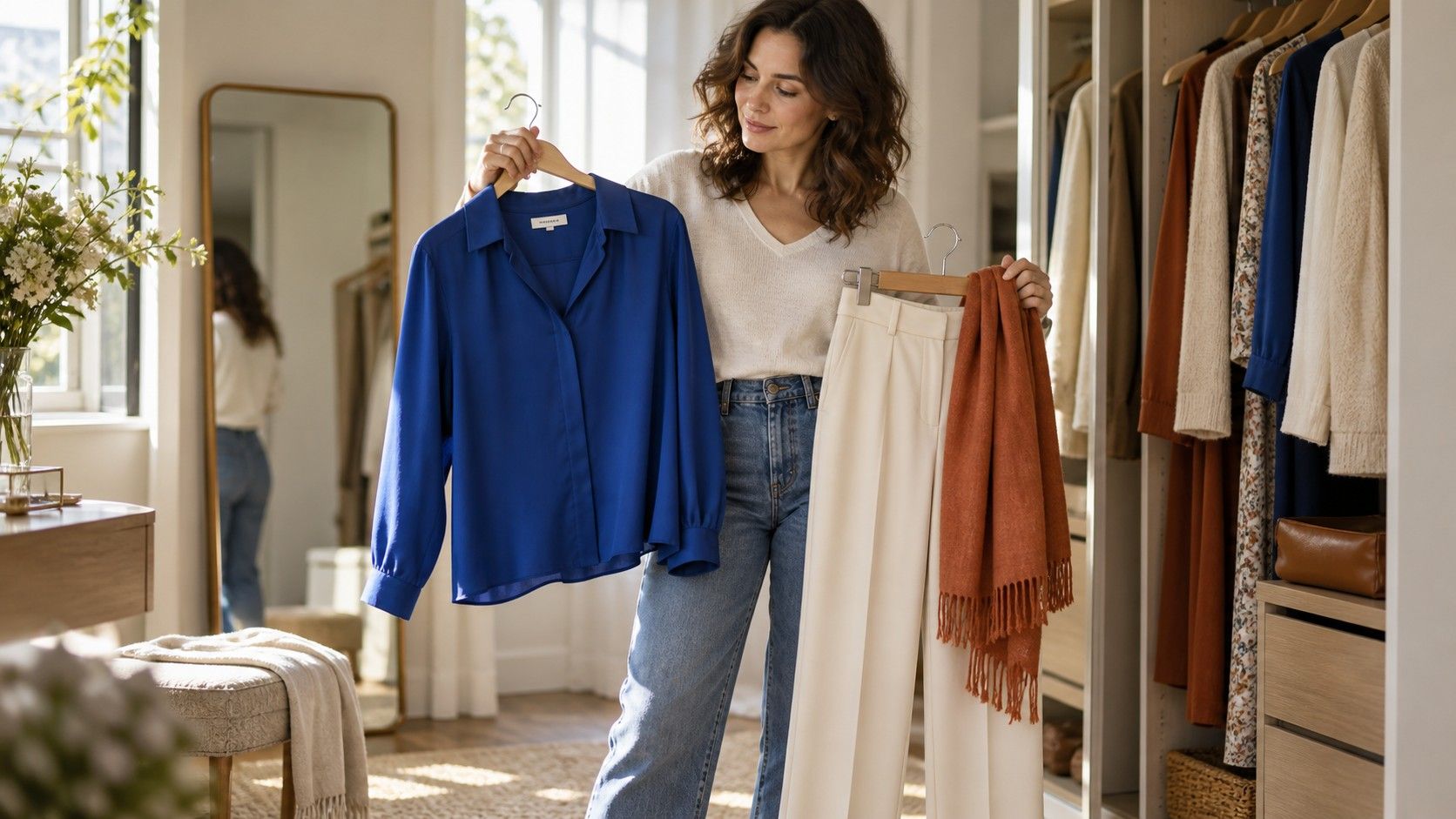
When you want a change, alter one variable at a time. Wear your reliable jeans with a different shoe shape, change a long cardigan for a cropped jacket, or add a scarf in a color you keep saving. Take photos and wear the combination for several hours. This is safer than buying five pieces for a new aesthetic and discovering that the styling only worked in your head.
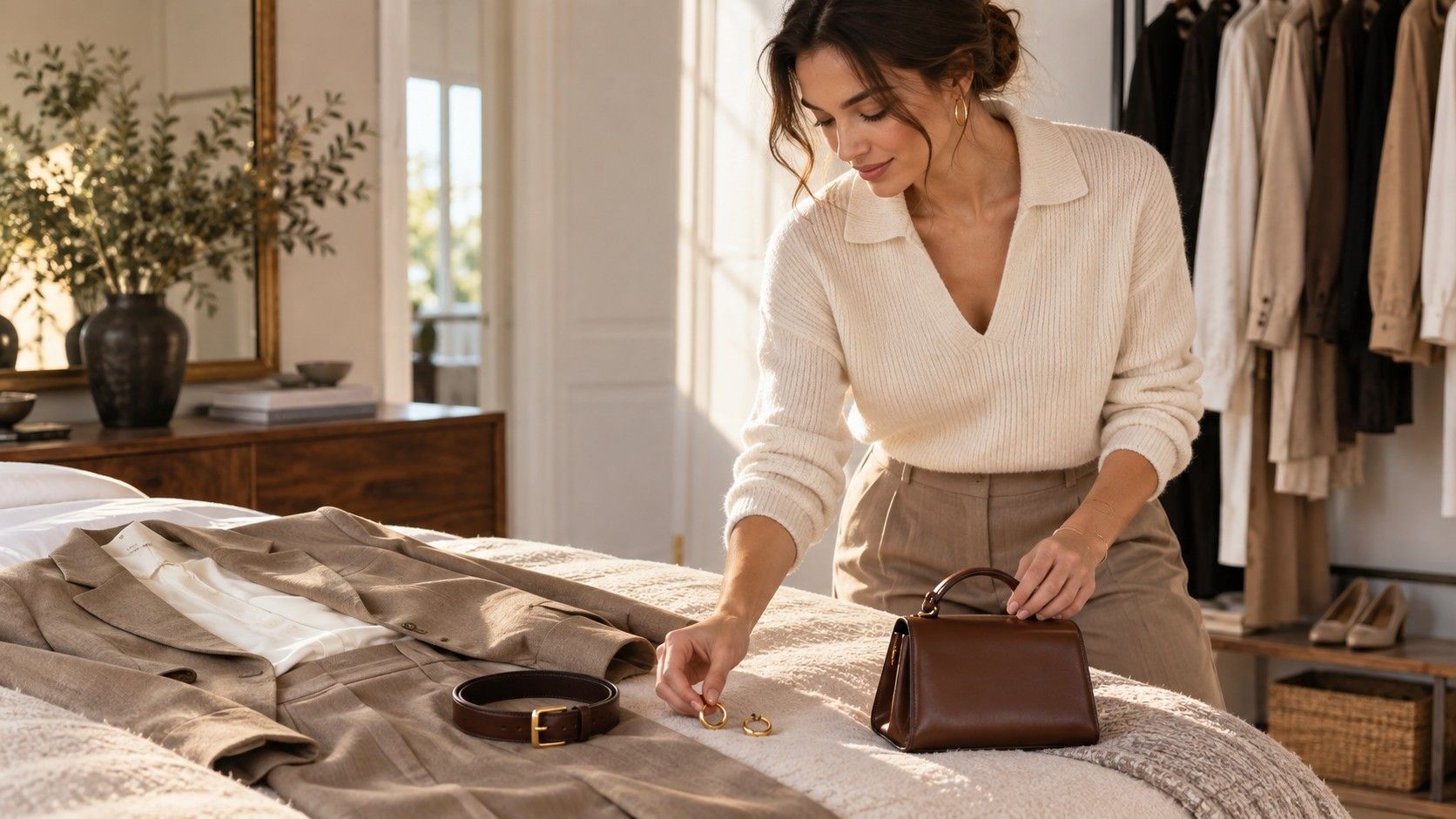
A small experiment also shows what is missing. If every outfit improves when you borrow a belt, that is a useful gap. If a new color works only with one top, it may be a novelty rather than a wardrobe building block. Keep a short list of these findings. The list should describe needs, such as a light layer with structure or comfortable trousers for dinner, not vague promises to become a more fashionable person.
Build a reference system that keeps changing with you
Save outfit photos in a simple album and add images only when you can identify what you like about them. A folder called “good proportions” or “warm neutrals with denim” is more helpful than one giant collection of aspirational pictures. Return to it before shopping or getting dressed. Over time, the visual evidence will reveal a personal style more clearly than any quiz.
Review the album at the end of a season. Keep the combinations that worked in real weather and real schedules; remove the images that belonged to a passing mood. Personal style is allowed to shift with a new job, a different city, or changes in comfort. The point is not to arrive at a fixed answer. It is to make each next choice easier because it is connected to clothes you already know how to live in.
Use the same patience with color. You may be drawn to a shade in photographs but prefer it as a bag, shoe, or scarf rather than next to your face. Test it with pieces you already own and notice how it works in daylight. A color palette does not have to be narrow; it only needs enough familiar tones that dressing is not a negotiation every morning. The most reliable colors are often the ones you wear without having to persuade yourself.
Give your discoveries time to repeat. One successful outfit can be luck, while three versions worn happily over a month show a real preference. When a new purchase is tempting, compare it with those repeat outfits. Does it strengthen their shapes, colors, and level of comfort, or does it require a separate wardrobe to make sense? This one question preserves curiosity while keeping personal style connected to real life.
Do not overlook maintenance in this process. Clothes that are clean, repaired, and easy to reach make it easier to judge your real preferences. A favorite shape in the wrong size is not a personal-style failure; it may simply need replacing, alteration, or a better version in another fabric.
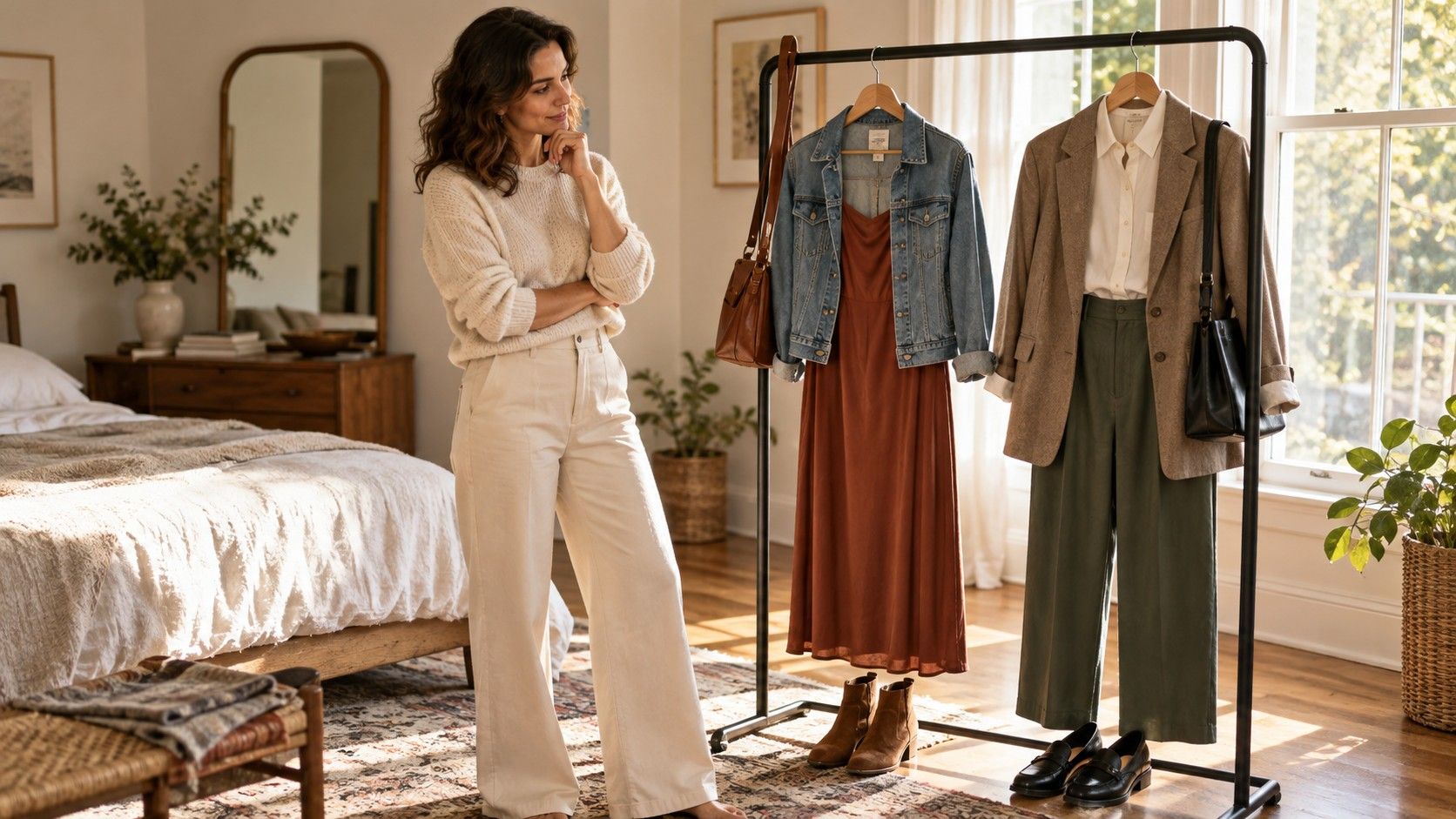
Finally, allow different parts of your life to need different versions of the same style. The outfit you wear to a relaxed weekend may use the same proportions and colors as a work outfit, with softer fabric and shoes. Consistency comes from the decisions underneath, not from wearing identical clothes everywhere. That flexibility prevents a personal style from becoming another restrictive rule.